ISB® Building System

Developers & Investors

Building Technology Is a Development Decision.

Development performance is shaped long before construction begins. Building area, usable space, structural strategy and delivery all influence the economics of a project. The construction system therefore becomes part of the development strategy — not only a technical choice made later.

Development principle

Build area is cost.
Usable area creates value.
Discuss a Development
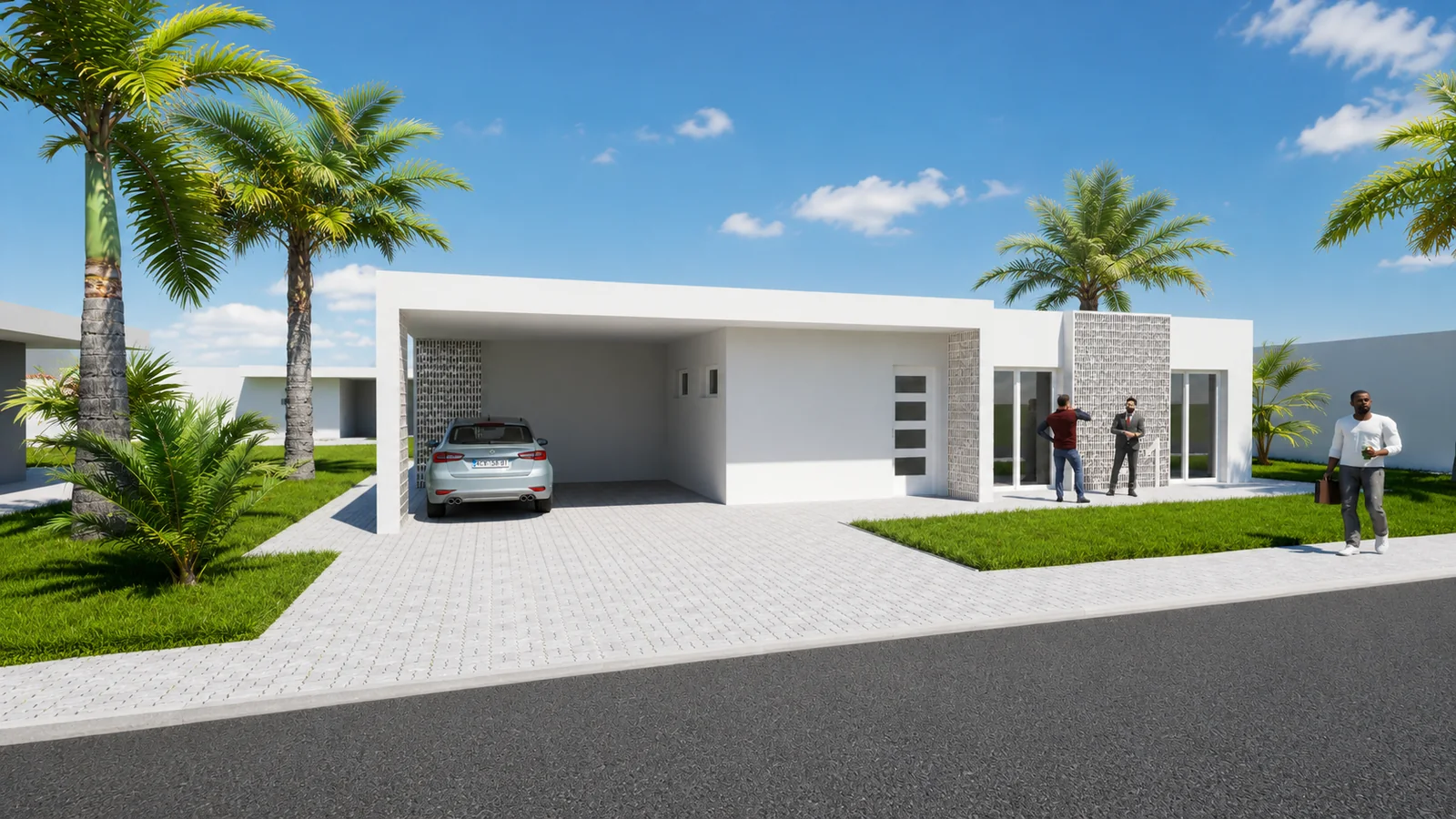
Modern residential development used to illustrate the ISB building system for developers in Australia
Focus Area Efficiency
Strategy Structural Logic
Outcome Project Value
Residential development study Australia
01 · From Design to Development

Architectural efficiency becomes development efficiency.

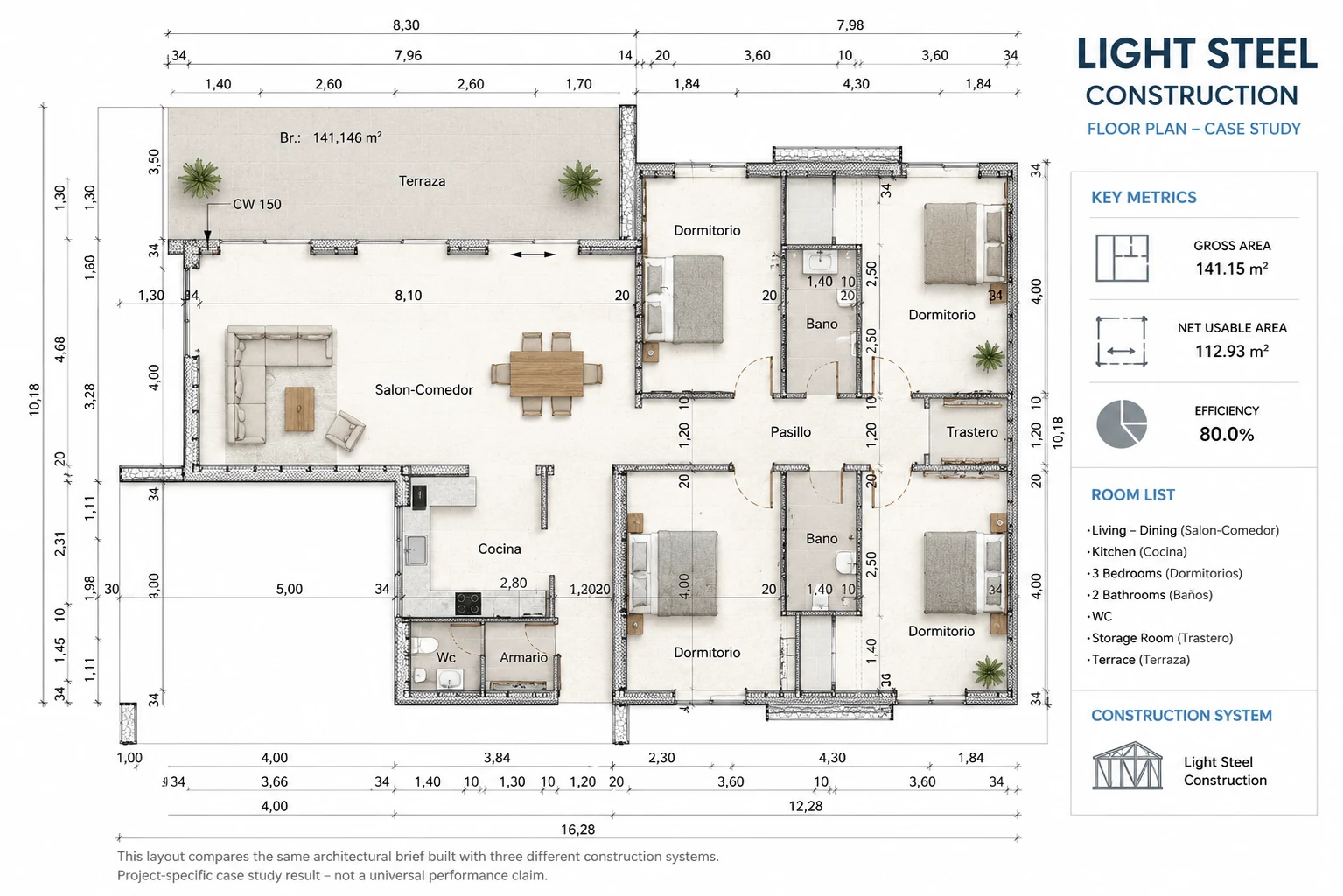
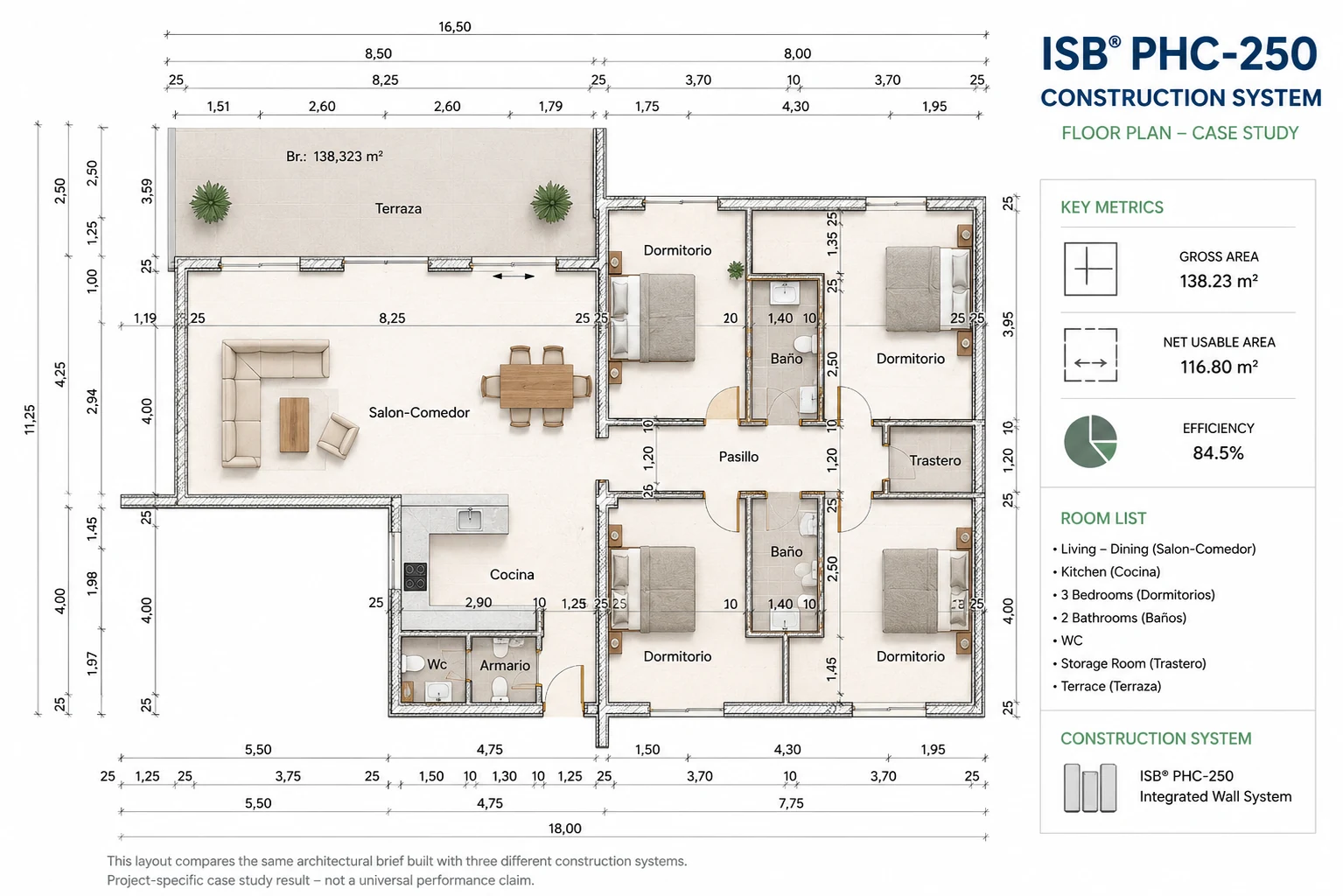
The architectural study compares the same residential brief using traditional brick construction, light steel and ISB® PHC-250. The result is not simply a difference in wall construction: each system changes the relationship between gross building area and net usable space.
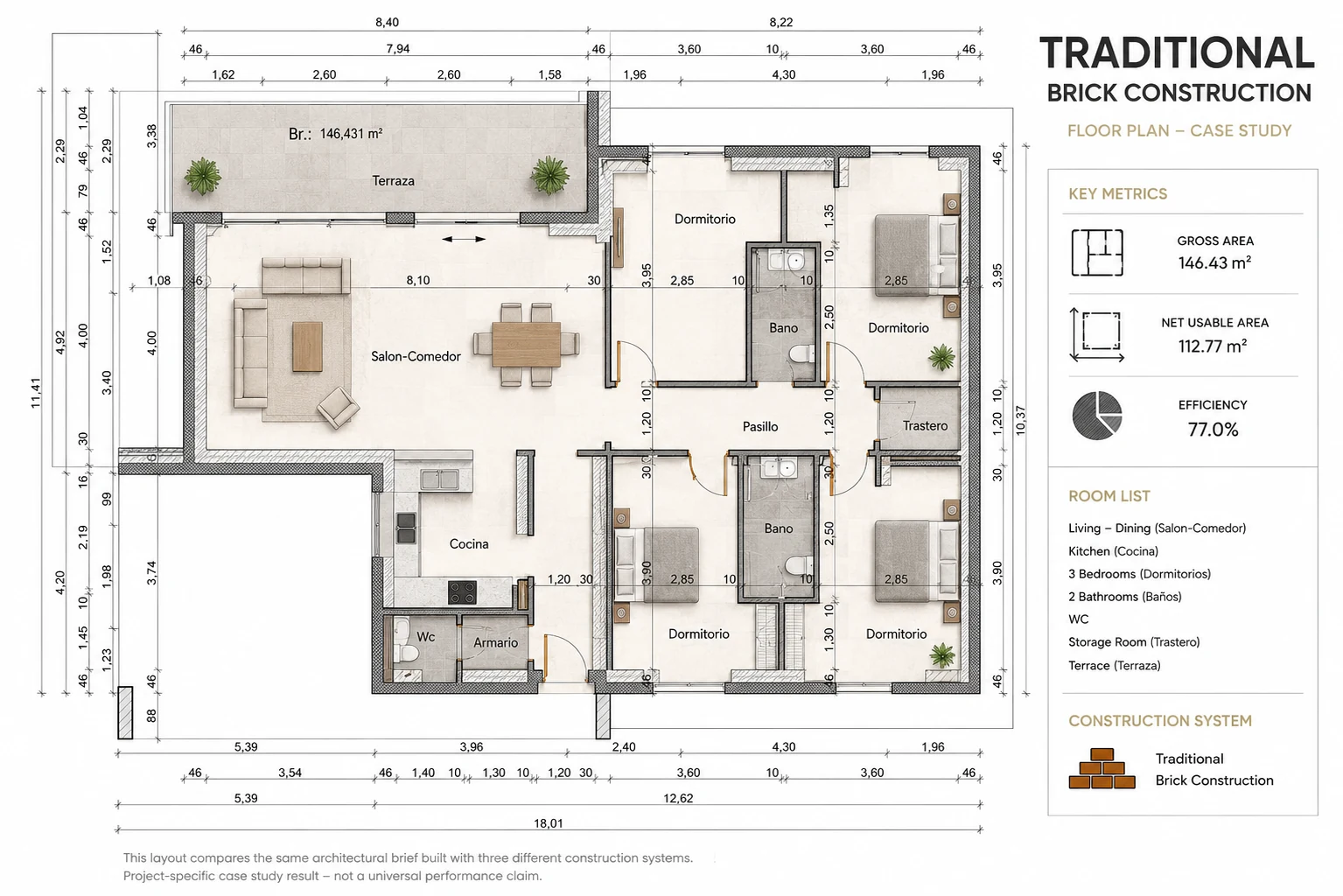
Traditional brick construction architectural floor plan showing gross and net floor area
Study 01
Traditional Construction

Brick

Gross area 146.43 m²
Net usable area 112.77 m²
Efficiency 77.0%
Light steel construction architectural floor plan showing gross and net floor area
Study 02
Lightweight Construction

Light Steel

Gross area 141.15 m²
Net usable area 112.93 m²
Efficiency 80.0%
ISB PHC-250 architectural floor plan showing gross and net floor area
Study 03
ISB® Building System

PHC-250

Gross area 138.23 m²
Net usable area 116.80 m²
Efficiency 84.5%
Case-study comparison
+4.03 m² net while using 8.20 m² less gross floor area compared with the traditional version.

For an architect, this is a question of spatial efficiency. For a developer, the same difference raises a second question: how can the relationship between gross area and usable area affect the economics and strategy of the development?

See the Full Architectural Comparison
The development question

The same spatial efficiency can create value in two very different ways.

All comparative figures shown above relate to this specific architectural case study. They should not be interpreted as universal performance or area-efficiency percentages for any construction system.

02 · Development Models

The same efficiency can create value in two ways.

Area efficiency does not lead to one universal economic outcome. Its value depends on the development constraint. In one project, the objective may be to maximise usable area. In another, it may be to reduce the building volume required for a fixed programme.

Scenario A · Fixed Gross Area

More usable space within the same building envelope.

Where planning controls, site parameters or development strategy establish a fixed gross building area, improved spatial efficiency can allow more of that permitted area to become usable interior space.

≈ +11 m²
Potential additional usable area in the project-specific comparative model when the traditional and ISB® solutions are evaluated at the same gross area.
Scenario B · Fixed Net Requirement

Deliver the same programme with less gross building.

Where the functional programme defines the required usable area, spatial efficiency can instead be used to reduce the gross envelope needed to deliver that programme.

≈ −13 m²
Approximately 8.9% less gross building area in the project-specific model compared with the traditional construction scenario.

These values are derived from the specific architectural comparison used in the ISB® case study. They are not universal percentages and should not be applied to other developments without project-specific architectural and engineering analysis.

03 · Project Economics

Development economics cannot be reduced to a single cost-per-square-metre figure.

A meaningful construction decision needs to consider how the system affects the whole project — not only the price of one structural component. Area, programme, labour, site operations and delivery strategy interact.

01

Building Volume

The amount of gross area that must be constructed influences structure, envelope, finishes and the overall scale of the project.

02

Usable Area

Spatial efficiency can influence how much functional or marketable space is created from the permitted building envelope.

03

Labour Strategy

Assembly logic, sequencing and repetitive processes can influence labour planning and how resources are organised on site.

04

Site Logistics

Element handling, material flow and construction sequencing become especially relevant on constrained sites or repeat developments.

05

Programme

A coordinated system can support clearer construction planning, although actual delivery time remains dependent on project scale, contractor resources, planning and building approvals, compliance requirements and site conditions.

06

Long-Term Value

Building performance, usable space and construction quality remain part of the completed asset and therefore form part of the wider development decision.

The relevant question is not simply “What does the structure cost?” but “What does this construction strategy do to the project as a whole?”

04 · Predictability & Scale

From one project to a repeatable development process.

For developers, the value of a building system increases when design, engineering and construction knowledge can be transferred from one project to the next. Repeatability does not mean identical architecture — it means a more familiar technical workflow.

01

Standardised System Logic

Wall, floor, reinforcement and connection principles follow a defined technical system while remaining adaptable to project-specific geometry.

02

Coordinated Engineering

Structural requirements and system planning are integrated before construction, helping reduce reliance on ad hoc technical decisions during execution.

03

Repeatable Construction Logic

Familiar sequencing and assembly processes can support contractor learning and improve continuity across multiple developments.

04

Scalable Project Knowledge

Details, workflow and team experience developed on one project can become useful technical knowledge for subsequent projects rather than starting from zero each time.

05 · Project Ecosystem

Bring the development.
Build the right team around it.

A development does not need to arrive with an established ISB® team. Existing architects, engineers and contractors can remain part of the project, while system-specific engineering, technical coordination and additional project partners are introduced where required.

A coordinated route from concept to construction

01
Architectural Design Existing design teams can remain responsible for the architectural concept, or an available design partner can be integrated where required.
02
Structural & ISB® Engineering Project-specific structural coordination, system planning and technical interfaces are developed for the building and coordinated with the applicable Australian project requirements.
03
Construction Construction partners can support project delivery in Australia, while existing contractors may also be integrated into the ISB® system workflow.
04
Interior & Finishing Specialist finishing and interior partners can complete the wider project ecosystem where a more coordinated delivery route is useful.

Bring your own team — or build the right project ecosystem around your development.